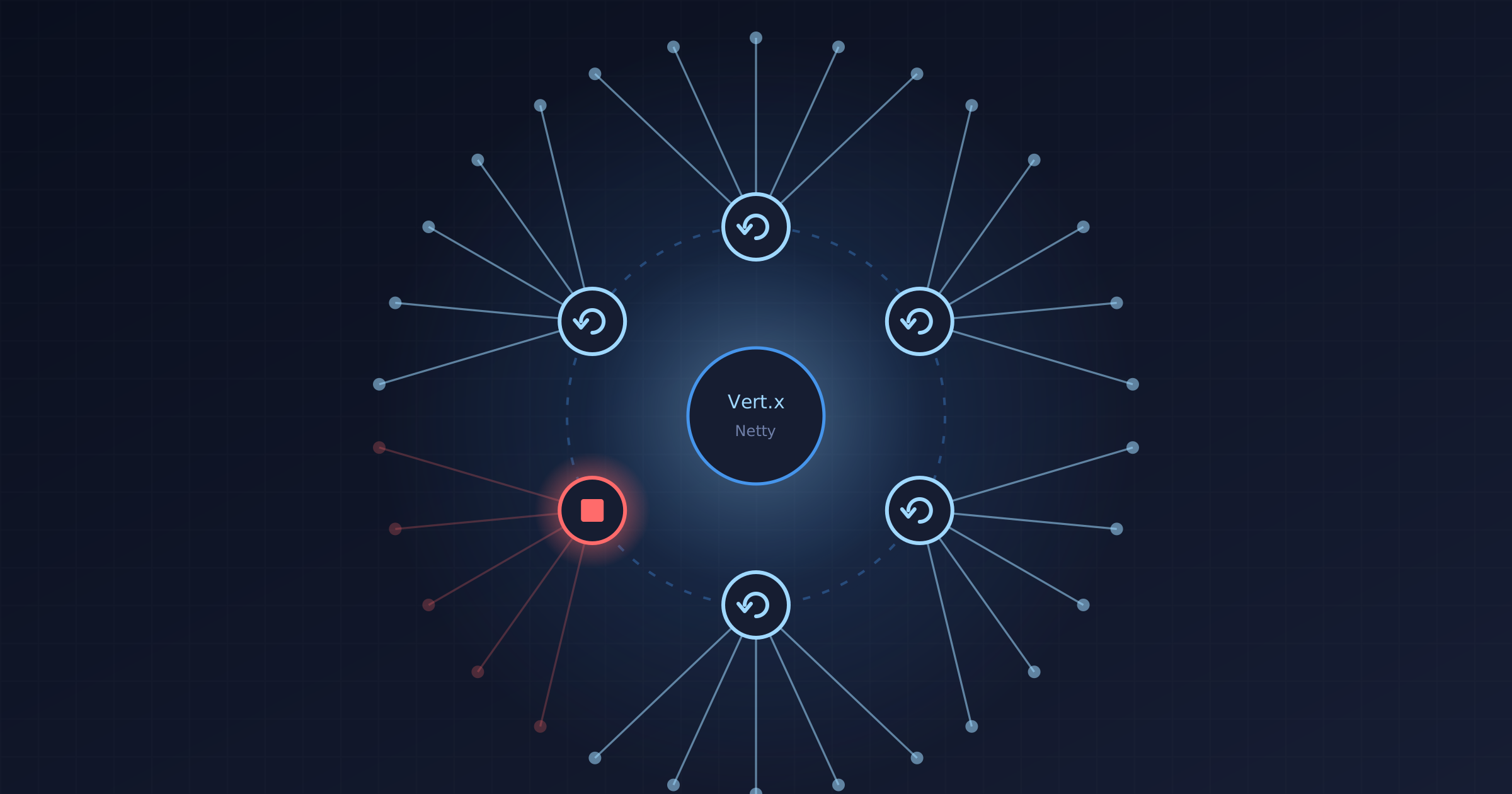
Illustration of a ring of event loop threads, each serving many connections, with one blocked thread highlighted in red

Inside the Quarkus reactive core, part 1: the event loop from the ground up

I gave Quarkus two event loops and fired 24 requests at it at once. Every one was served by one of those two threads. Part one of a series on how Quarkus runs your code, starting below Quarkus: Netty, Vert.x and the rule you cannot break.
October 18, 2026 路 13 min 路 Matheus Oliveira
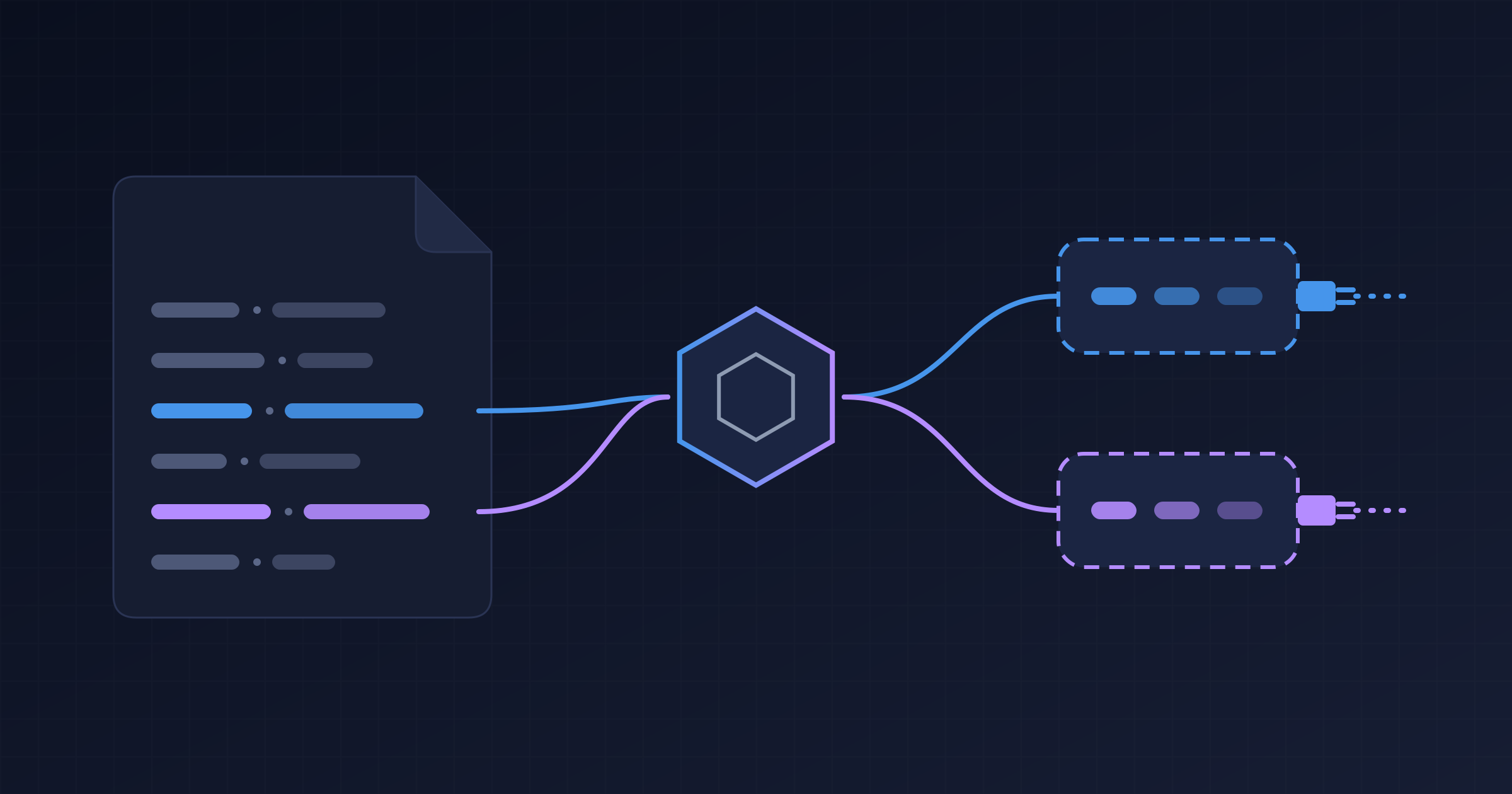
Illustration of a configuration file whose highlighted lines flow into a hexagon and come out as two dashed-outline blocks with plugs

Inside ArC, part 3: the beans nobody wrote

I found beans in my application鈥檚 bytecode that no class in the project declares. In part 3 of this ArC deep dive, I show how extensions create beans from configuration, why Quarkus doesn鈥檛 run Portable Extensions and how a Quarkus extension works inside.

October 11, 2026 路 8 min 路 Matheus Oliveira
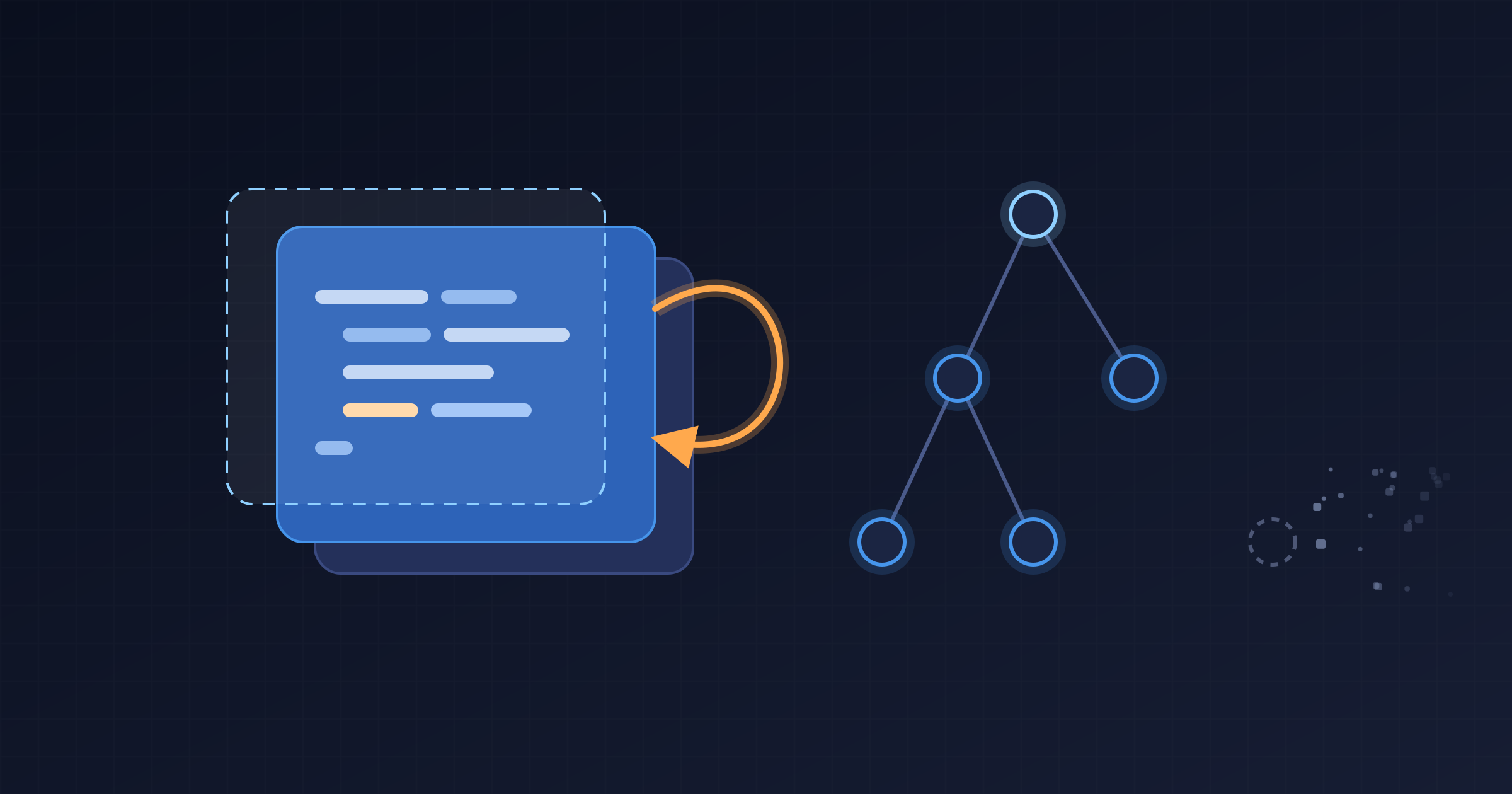
Illustration of a code block with a translucent dashed frame in front and a layer behind it, an orange arrow looping back into the block and a dependency tree with one node dissolving into particles

Inside ArC, part 2: proxies, interceptors and the bean that vanished

A constructor that runs twice, an interceptor that works even on internal calls and a bean that doesn鈥檛 even exist at runtime. In part 2 of this ArC deep dive, I show what the Quarkus build changes in application code.

October 4, 2026 路 9 min 路 Matheus Oliveira
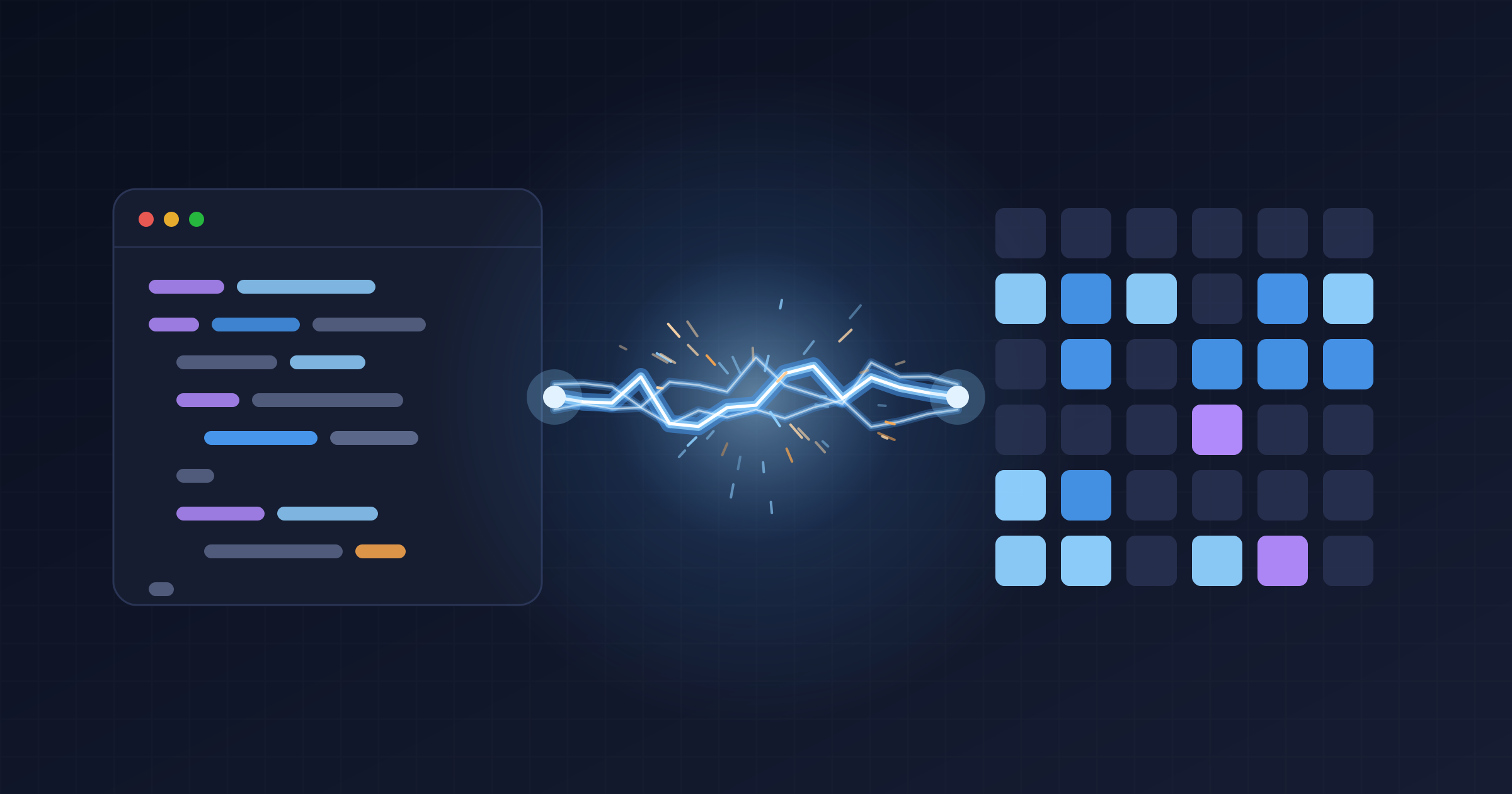
Illustration of an editor window with lines of code connected by an electric arc to a grid of blocks representing the generated bytecode

Inside ArC, part 1: the Quarkus CDI that runs before your code does

I opened the bytecode Quarkus generates for CDI to see what the container does before the application starts. Part one of a deep dive into ArC with real experiments: discovery, validation and a create() that is just a new.

September 27, 2026 路 11 min 路 Matheus Oliveira
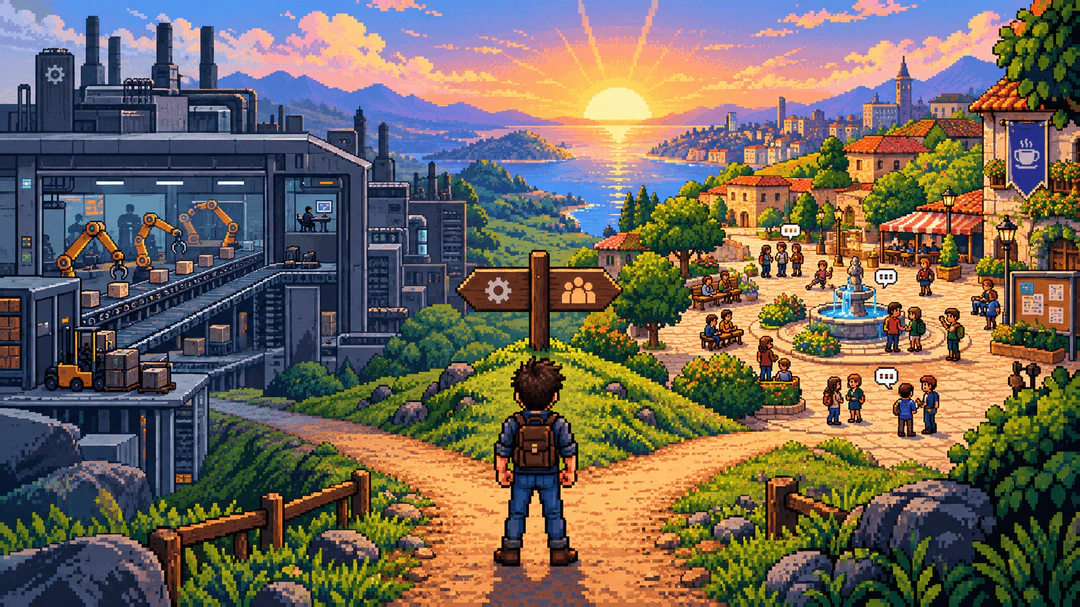
16-bit SNES-style pixel art of an engineer standing at a fork in the road, one path leading to an automated factory conveyor belt and the other to a plaza full of people talking, with a sunrise in the background

How to Stand Out as a Software Engineer in the AI Era

Writing code fast stopped being a differentiator. Here鈥檚 what actually sets engineers apart in 2026: from century-old advice by Carnegie and Covey to technical judgment and public visibility.

September 20, 2026 路 5 min 路 Matheus Oliveira
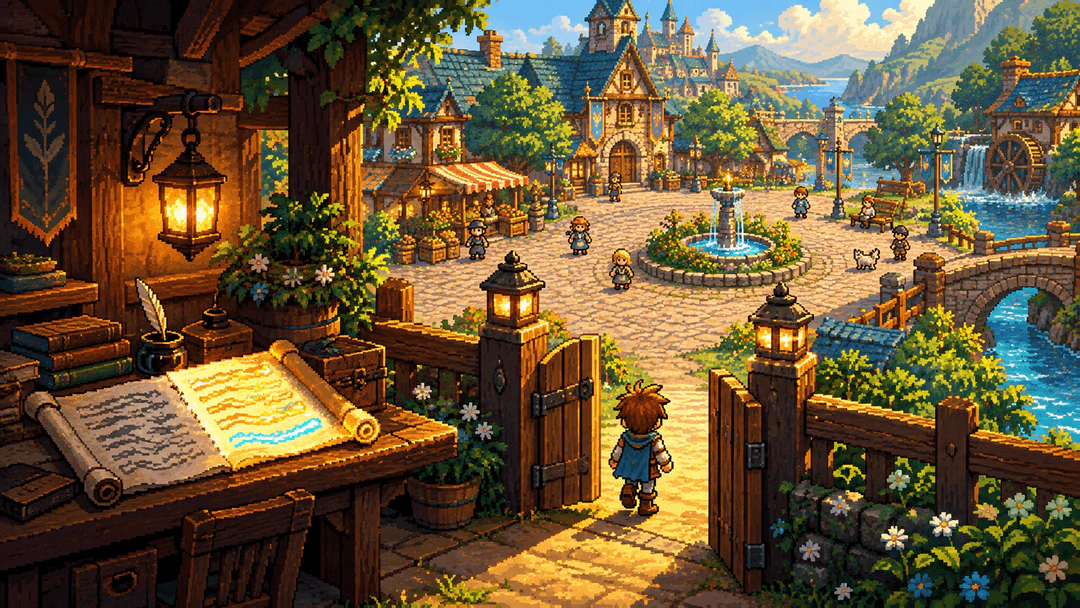
16-bit SNES-style pixel art of a character walking through an open wooden gate, past a scribe's desk with a half-translated scroll, into a sunlit village square with a fountain, castle, and bridge in the background

Docs and Translation: The Easiest Way to Start Contributing to Open Source

Want to contribute to Open Source but freeze before you even open the editor? Documentation and translation are the easiest door in, and you can ship your first PR today.

September 13, 2026 路 5 min 路 Matheus Oliveira
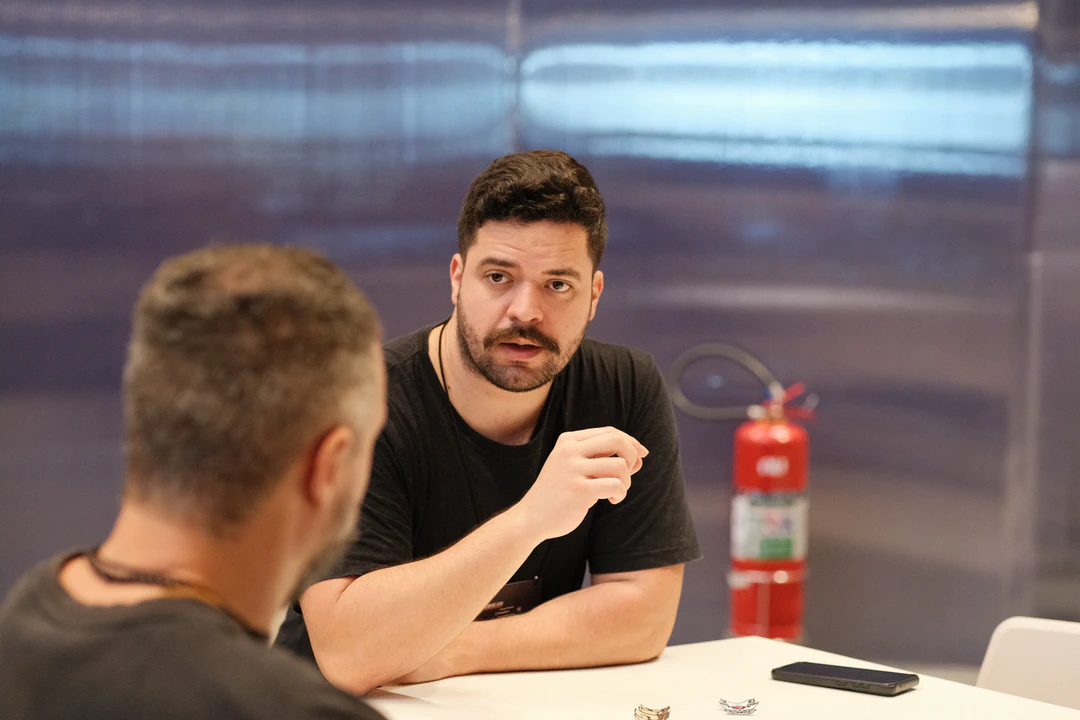
Matheus Oliveira talking at an event about his open source journey

I Did It! Top 10 Contributor on Quarkus LangChain4j

An ordinary Monday morning, no stage and no audience, I found out I鈥檇 reached 10th place among the contributors to quarkus-langchain4j in the world. The story of how I got there in 5 months, and what changed along the way.

September 6, 2026 路 6 min 路 Matheus Oliveira
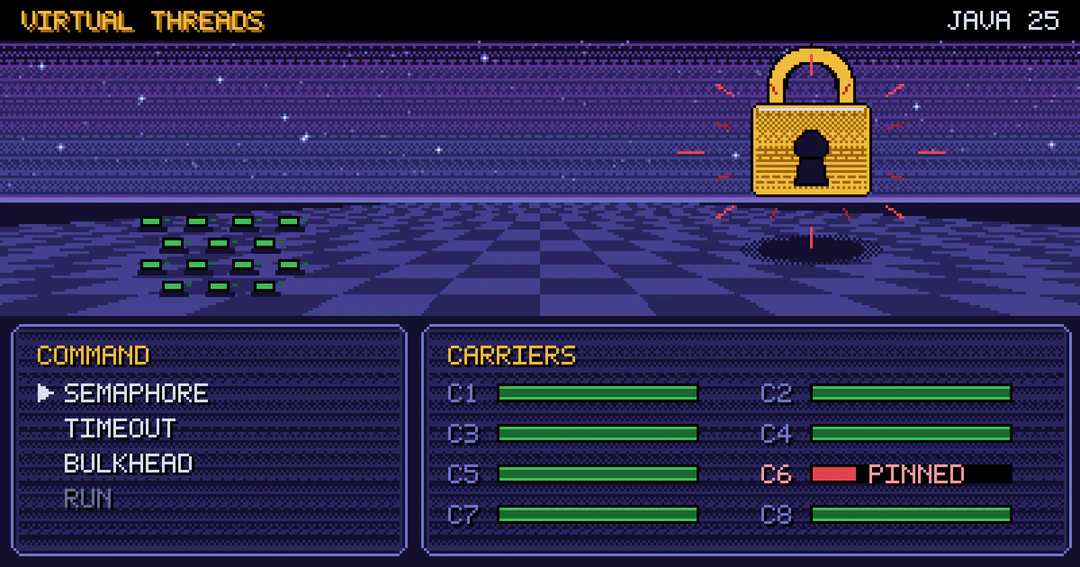
SNES-style pixel art status screen showing eight stacked carriers: seven running in blue and one in red, locked behind a padlock, with threads queued up behind it

Virtual Threads: A Pocket Guide

What virtual threads solve, what they break, what happens when your database slows down, and why Java 25 made all of this far simpler than it was in 2023.

August 23, 2026 路 21 min 路 Matheus Oliveira
A slip-box of notes wired into an AI agent

Using Zettelkasten with Agents

How structured note-taking with Zettelkasten became the memory layer for my AI agents, and how it saves me tokens, time and money.

August 16, 2026 路 14 min 路 Matheus Oliveira
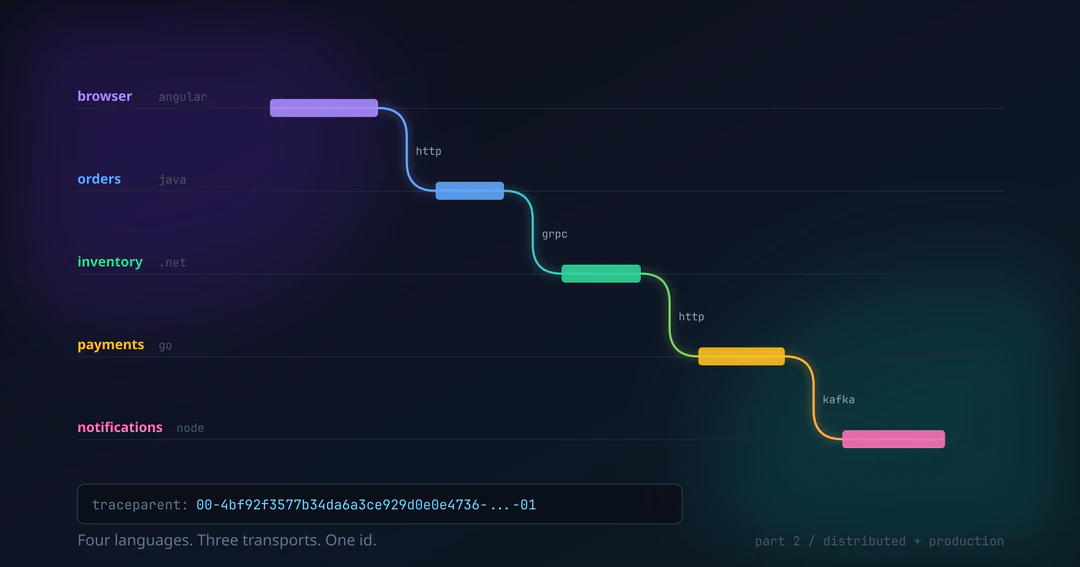
One trace threading through five lanes, from browser to Angular, Java, .NET, Go and Node, over HTTP, gRPC and Kafka

Observability in Practice: Distributed Systems, Cost and Production

Part 2 of 2. One browser click crossing five systems and four languages in a single trace, and what changes when that goes to production: tail sampling, cardinality, exemplars and SLOs.

August 9, 2026 路 30 min 路 Matheus Oliveira