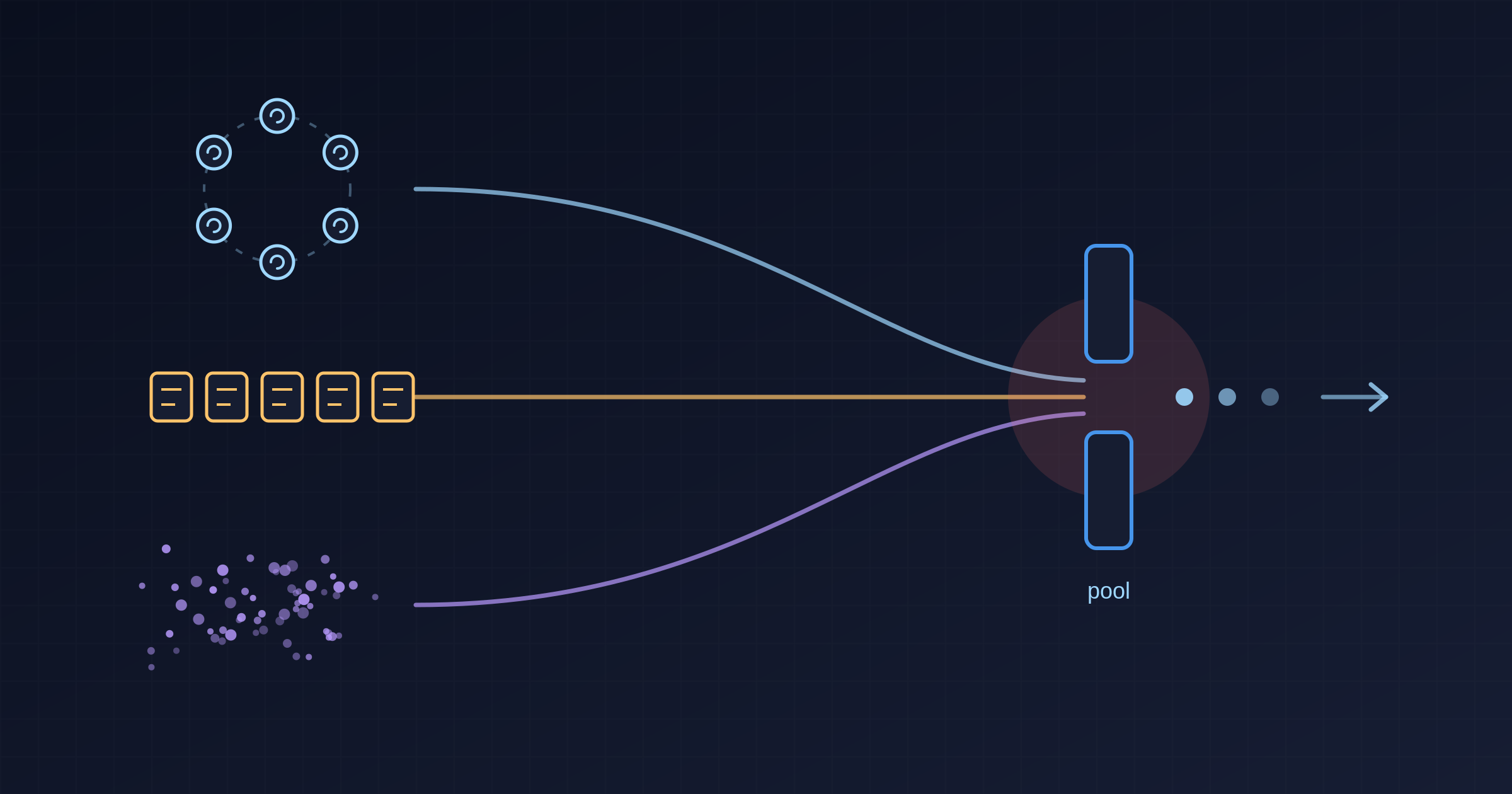
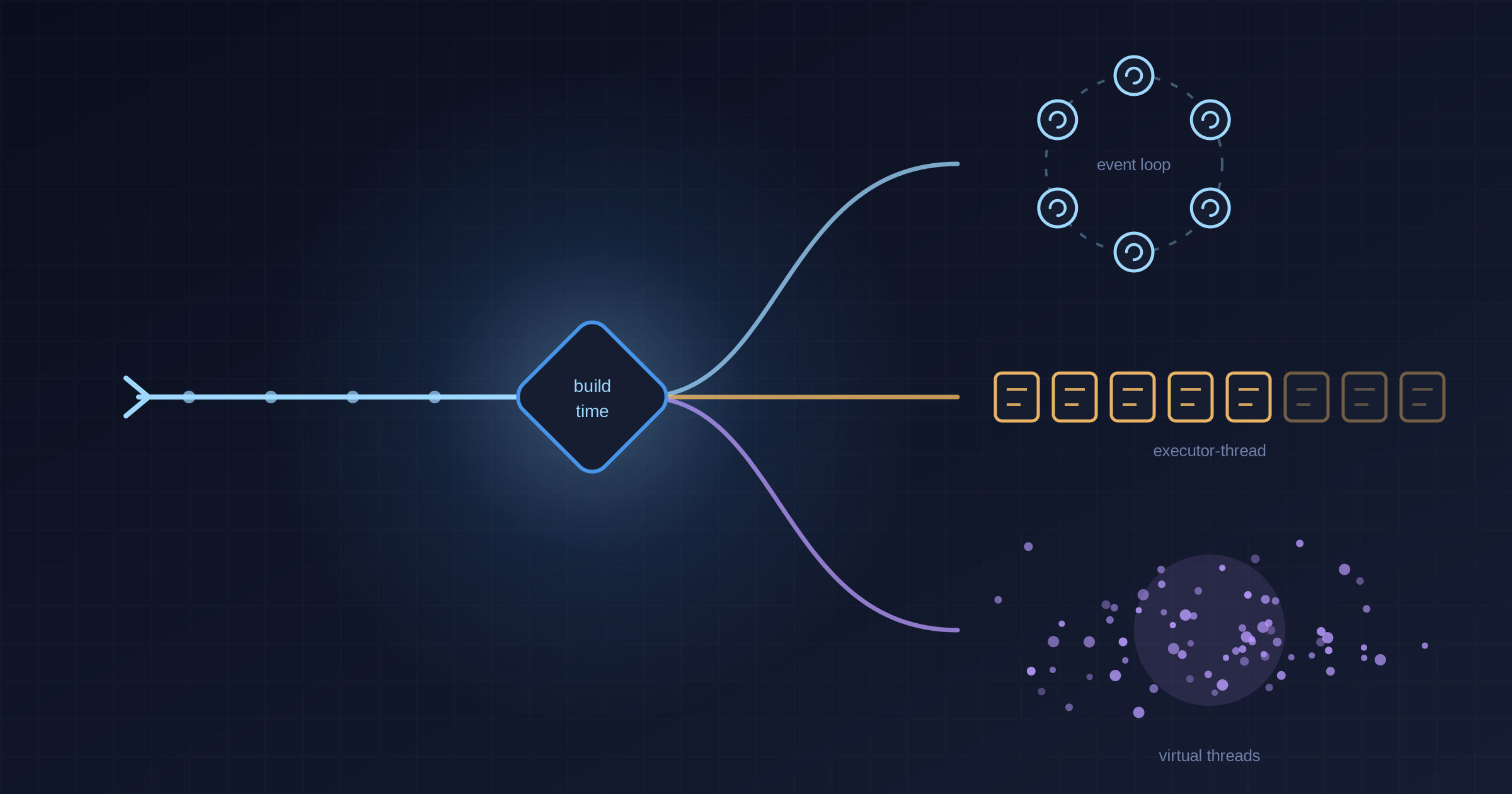
Illustration of three lanes, an event loop ring, a row of workers and a cloud of virtual threads, all narrowing into the same small gate labelled pool

Inside the Quarkus reactive core, part 4: reactive or virtual threads in Quarkus 4

Benchmark the three models the quick way and virtual threads look twice as fast as workers, reactive four times. That table measures the load generator. Part four of the series: how Quarkus 4 runs virtual threads, which pool limits each model, and an open-model benchmark where the worker pool turns out to be a bulkhead.
November 8, 2026 路 23 min 路 Matheus Oliveira
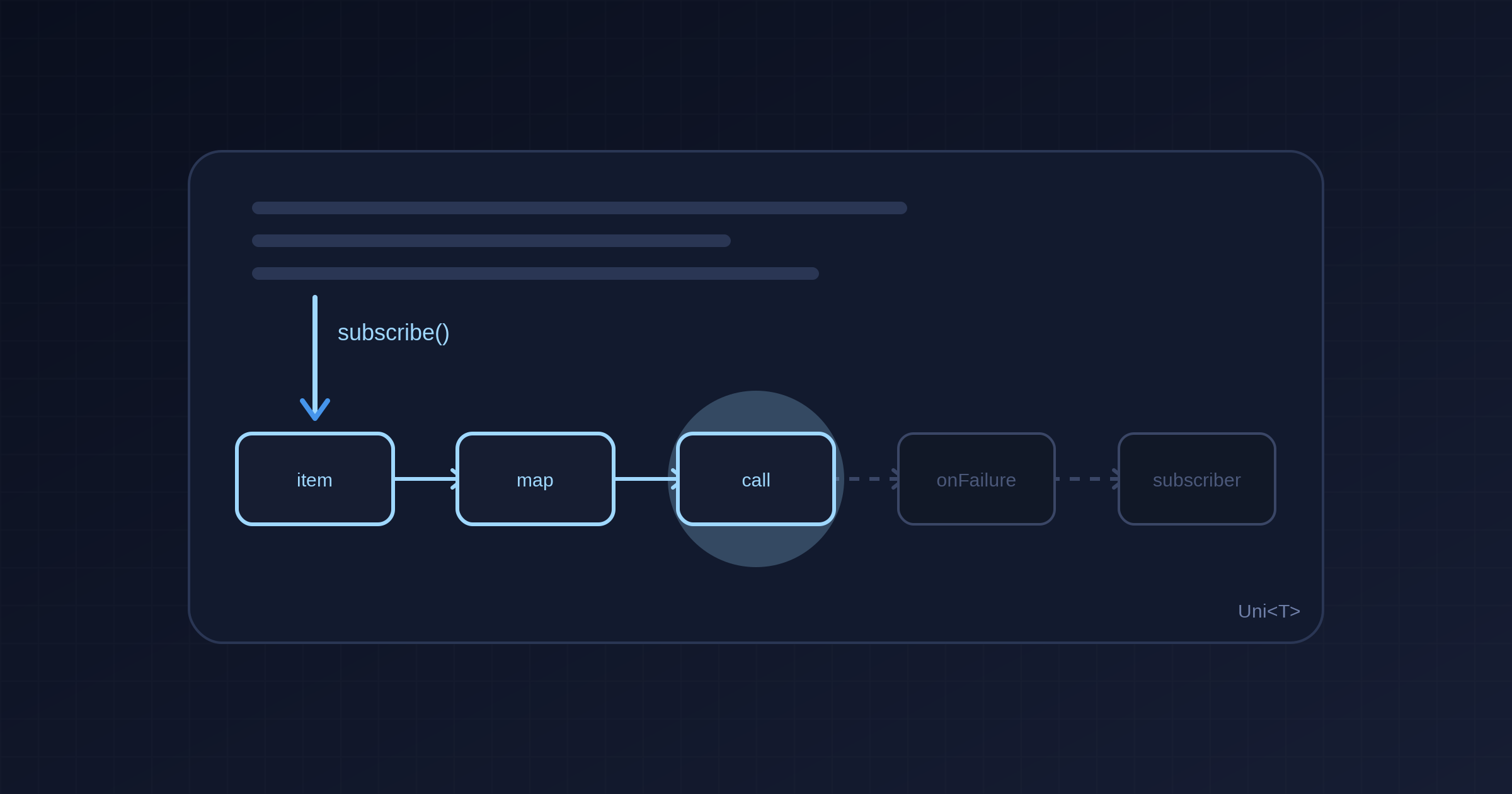
Illustration of a recipe card made of connected pipeline stages, idle and grey, with a single subscription arrow lighting the stages up one by one

Inside the Quarkus reactive core, part 3: a Uni is a recipe, not a result

An order that compiles, runs, returns the right confirmation and never writes its audit log. Part three of the series: what a Uni actually is, who subscribes to it in Quarkus, and why Mutiny schedules nothing on its own.

November 1, 2026 路 13 min 路 Matheus Oliveira
Illustration of a request entering a switch that routes it to one of three tracks: a ring of event loops, a row of worker threads and a cloud of virtual threads

Inside the Quarkus reactive core, part 2: who runs your code

The Quarkus REST guide says @Transactional sends an endpoint to a worker thread. I wrote the test and got a 500. Part two of the series: how Quarkus decides which thread runs your method, and why a ThreadLocal set in a filter seems to work.

October 25, 2026 路 13 min 路 Matheus Oliveira
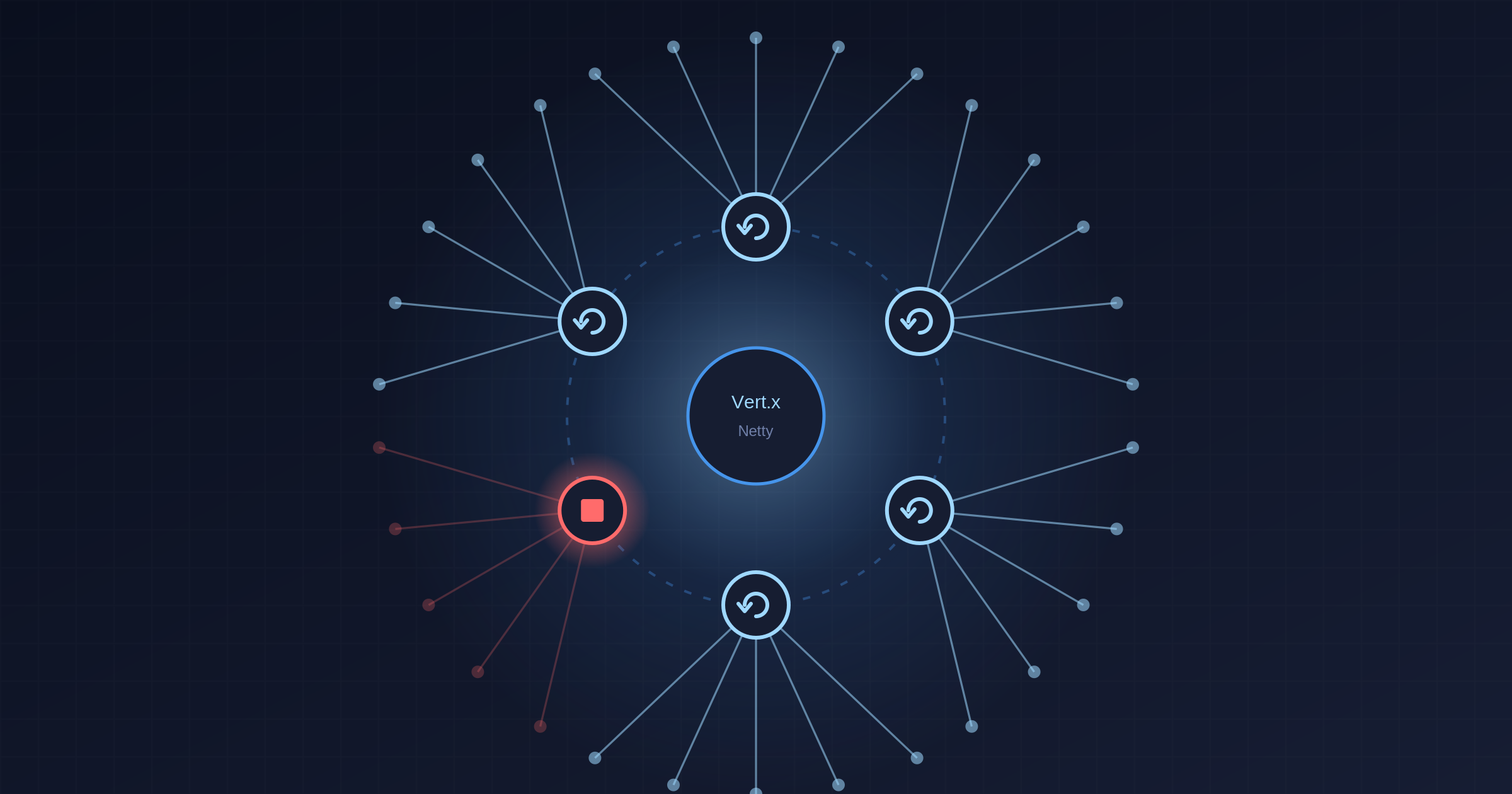
Illustration of a ring of event loop threads, each serving many connections, with one blocked thread highlighted in red

Inside the Quarkus reactive core, part 1: the event loop from the ground up

I gave Quarkus two event loops and fired 24 requests at it at once. Every one was served by one of those two threads. Part one of a series on how Quarkus runs your code, starting below Quarkus: Netty, Vert.x and the rule you cannot break.

October 18, 2026 路 13 min 路 Matheus Oliveira
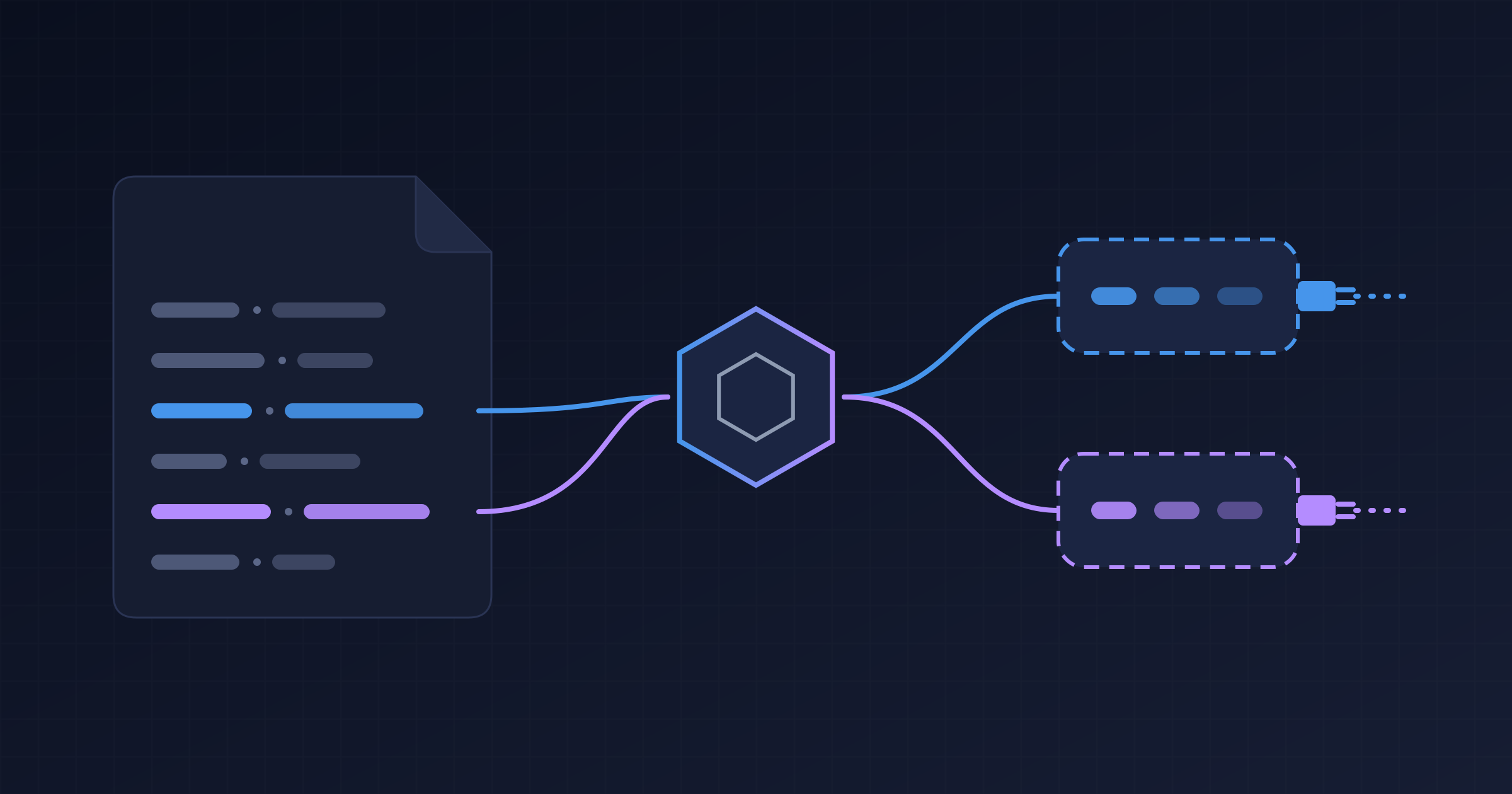
Illustration of a configuration file whose highlighted lines flow into a hexagon and come out as two dashed-outline blocks with plugs

Inside ArC, part 3: the beans nobody wrote

I found beans in my application鈥檚 bytecode that no class in the project declares. In part 3 of this ArC deep dive, I show how extensions create beans from configuration, why Quarkus doesn鈥檛 run Portable Extensions and how a Quarkus extension works inside.

October 11, 2026 路 8 min 路 Matheus Oliveira
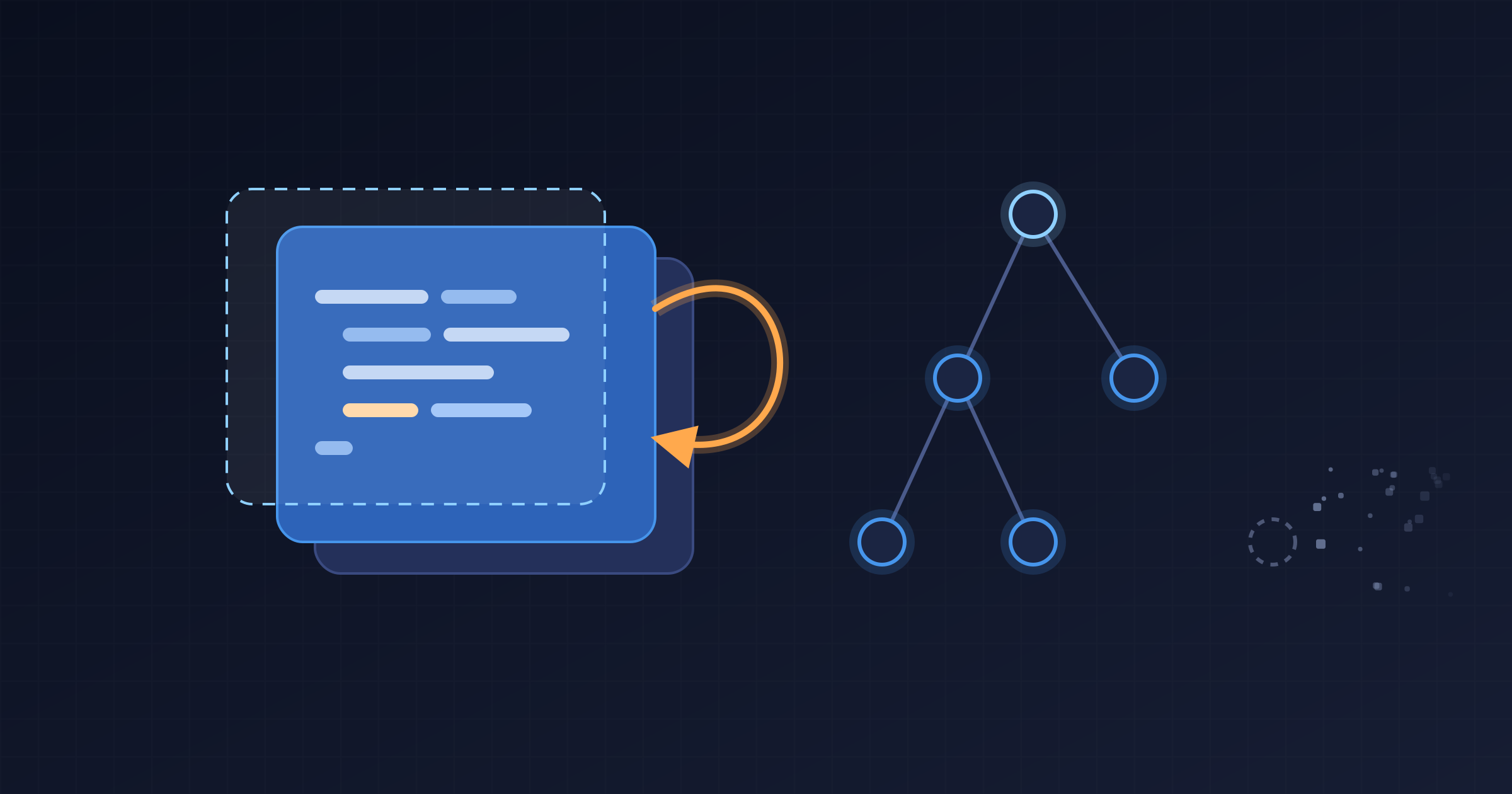
Illustration of a code block with a translucent dashed frame in front and a layer behind it, an orange arrow looping back into the block and a dependency tree with one node dissolving into particles

Inside ArC, part 2: proxies, interceptors and the bean that vanished

A constructor that runs twice, an interceptor that works even on internal calls and a bean that doesn鈥檛 even exist at runtime. In part 2 of this ArC deep dive, I show what the Quarkus build changes in application code.

October 4, 2026 路 9 min 路 Matheus Oliveira
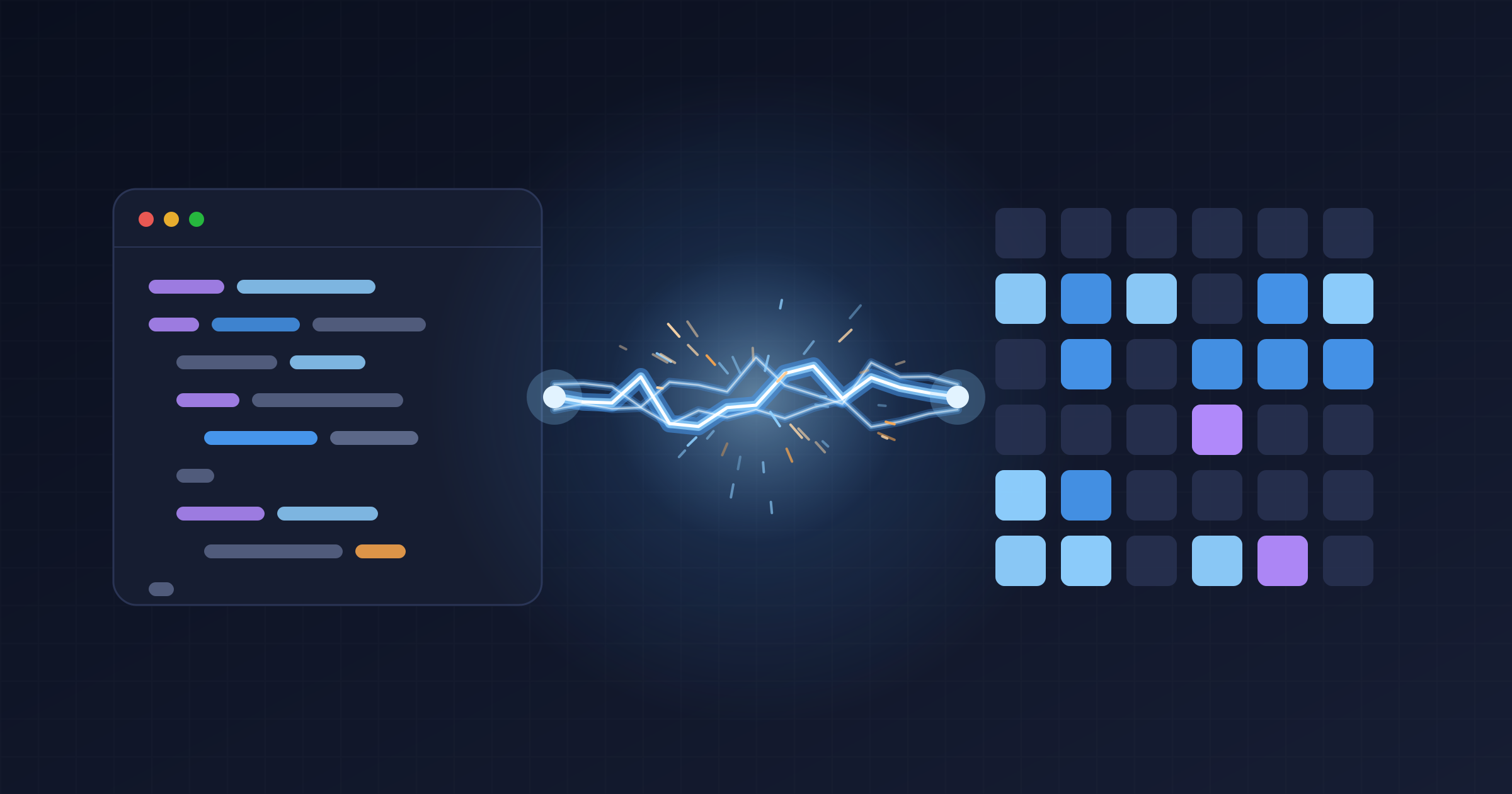
Illustration of an editor window with lines of code connected by an electric arc to a grid of blocks representing the generated bytecode

Inside ArC, part 1: the Quarkus CDI that runs before your code does

I opened the bytecode Quarkus generates for CDI to see what the container does before the application starts. Part one of a deep dive into ArC with real experiments: discovery, validation and a create() that is just a new.

September 27, 2026 路 11 min 路 Matheus Oliveira
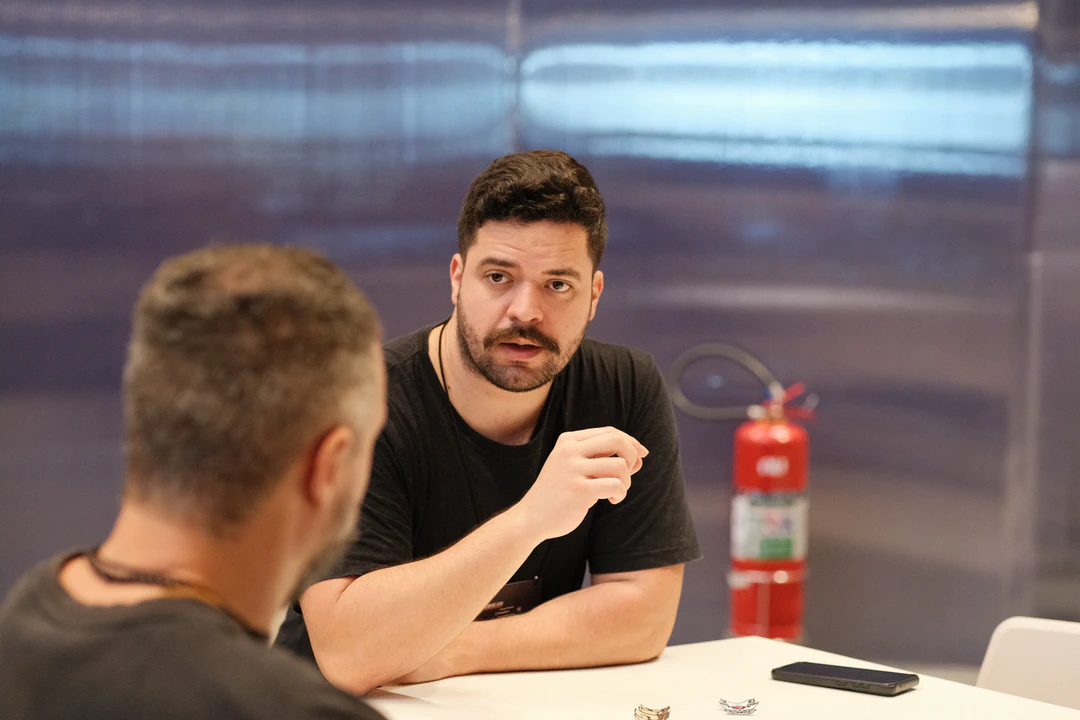
Matheus Oliveira talking at an event about his open source journey

I Did It! Top 10 Contributor on Quarkus LangChain4j

An ordinary Monday morning, no stage and no audience, I found out I鈥檇 reached 10th place among the contributors to quarkus-langchain4j in the world. The story of how I got there in 5 months, and what changed along the way.

September 6, 2026 路 6 min 路 Matheus Oliveira
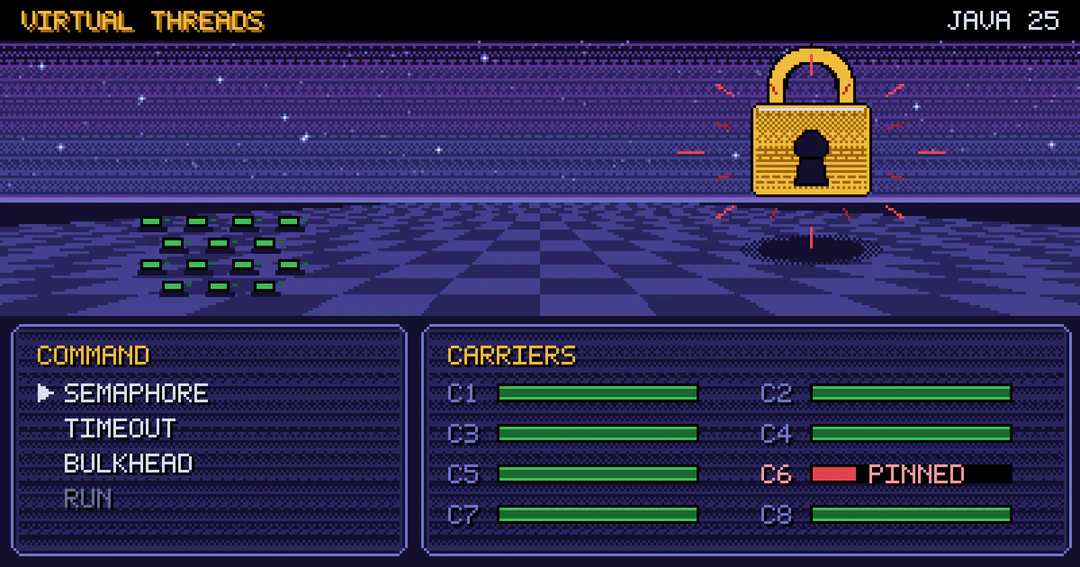
SNES-style pixel art status screen showing eight stacked carriers: seven running in blue and one in red, locked behind a padlock, with threads queued up behind it

Virtual Threads: A Pocket Guide

What virtual threads solve, what they break, what happens when your database slows down, and why Java 25 made all of this far simpler than it was in 2023.

August 23, 2026 路 21 min 路 Matheus Oliveira
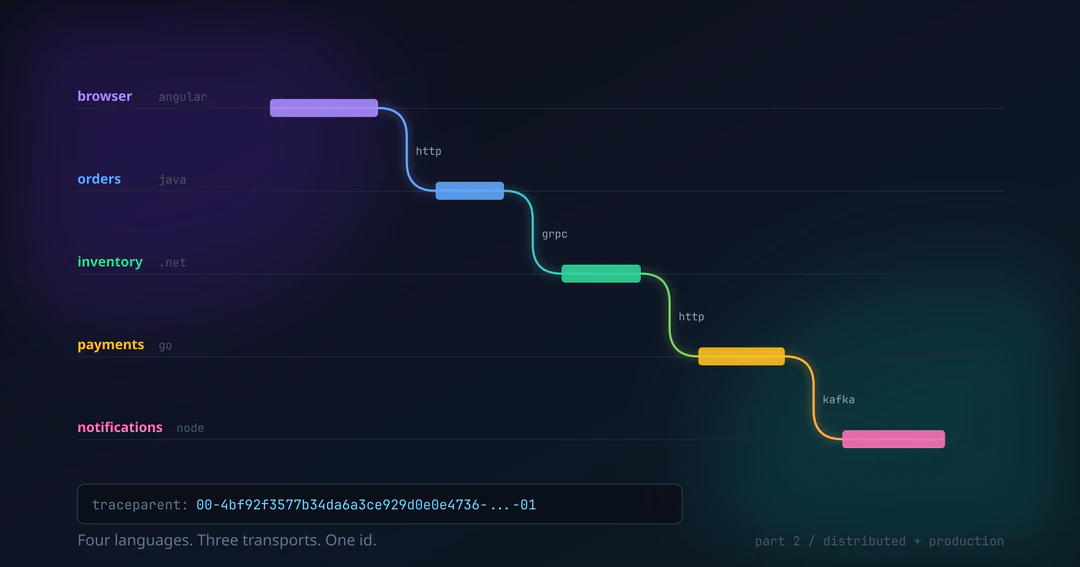
One trace threading through five lanes, from browser to Angular, Java, .NET, Go and Node, over HTTP, gRPC and Kafka

Observability in Practice: Distributed Systems, Cost and Production

Part 2 of 2. One browser click crossing five systems and four languages in a single trace, and what changes when that goes to production: tail sampling, cardinality, exemplars and SLOs.

August 9, 2026 路 30 min 路 Matheus Oliveira